
Understanding the True Cost of PRP Injections
When considering the cost of platelet-rich plasma injections, understand the factors influencing this therapeutic procedure. PRP therapy harnesses the healing properties of your own blood to promote tissue repair and reduce inflammation. This innovative, minimally invasive treatment is gaining widespread attention, especially in Orthopedic care.
Call 978-969-3624 so the team can explain the cost and check your insurance plan.
I’m Robert E. McLaughlin II, MD. With over 25 years of experience in Orthopedic surgery and regenerative medicine, I’ve closely observed the growing use of PRP injections. Understanding the cost of platelet-rich plasma is crucial for anyone considering this treatment.
Stay tuned as we dig deeper into what PRP therapy entails and how Boston Concierge Orthopedics can support your journey to better health.
What is PRP Therapy?
Platelet-rich plasma (PRP) therapy is a treatment that uses a patient’s own blood to promote healing and tissue regeneration. It has become popular for addressing various medical and cosmetic issues, thanks to its natural approach and minimal side effects.
Platelet-Rich Plasma
PRP is derived from your own blood. It is rich in platelets, which are small blood cells that play a crucial role in healing. These platelets contain proteins known as growth factors that help repair damaged tissues.
Blood Extraction
To prepare PRP, a medical professional will first draw a small sample of your blood. This process is similar to getting a routine blood test.
Centrifuge Process
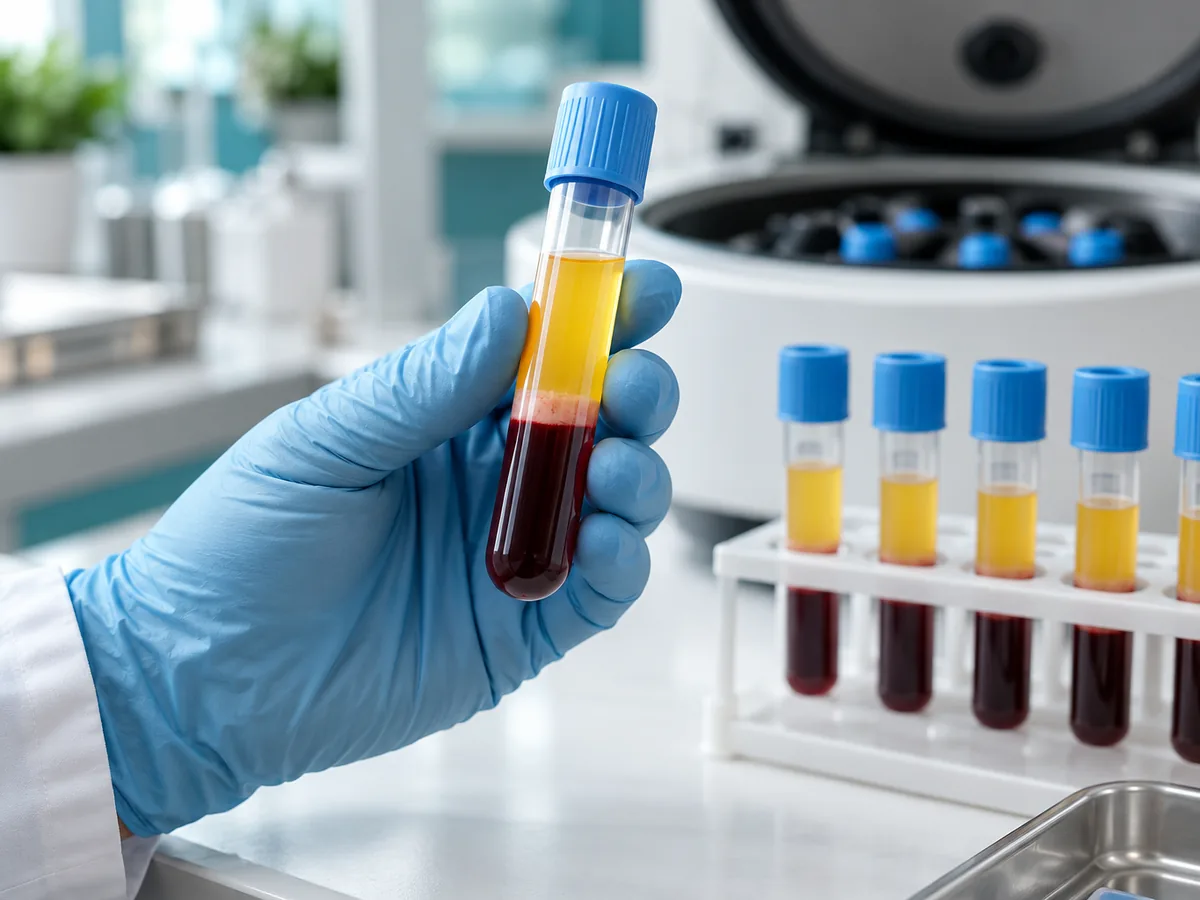
The blood sample is then placed in a centrifuge, a machine that spins at high speed to separate the different components of the blood. This process isolates the platelet-rich plasma from other blood cells.
Growth Factors
The separated PRP contains a high concentration of growth factors. These proteins are essential for healing and tissue repair. When injected back into the body, they can accelerate the healing process.
Healing Process
Stay tuned as we dig deeper into the cost of platelet-rich plasma injections and how Boston Concierge Orthopedics can support your journey to better health.
Conditions Treated by PRP Injections
PRP therapy is a versatile treatment that can address a wide range of conditions. Here’s a closer look at some of the most common applications:
Musculoskeletal Conditions
PRP injections are widely used to treat musculoskeletal issues such as tendinitis, arthritis, and muscle strains. For instance, athletes often suffer from conditions like “tennis elbow” or Achilles tendinitis, and PRP therapy can help reduce the pain and inflammation associated with these injuries.
In a study published by a major medical research center, PRP was shown to alleviate pain, improve mobility, and reduce inflammation in patients with chronic conditions like osteoarthritis. This makes it a promising alternative to more invasive treatments like surgery.
Chronic Pain
Chronic pain conditions, such as fibromyalgia and persistent back pain, can also benefit from PRP therapy. Traditional treatments often rely on steroid injections, which can wear off over time. PRP, on the other hand, uses the patient’s own blood to promote healing and reduce inflammation.
A review highlighted that PRP could be a good alternative for those suffering from chronic pain, as the injections may provide longer-lasting relief compared to conventional treatments.
Cosmetic Treatments
Other Applications
PRP is sometimes used in dental procedures and surgeries to reduce inflammation and accelerate healing. This versatility makes it a valuable treatment across various medical fields.
For those considering PRP therapy, it’s important to consult with a healthcare provider to determine if this treatment is appropriate for your specific condition.
Stay tuned as we dig deeper into the cost of platelet-rich plasma injections and how Boston Concierge Orthopedics can support your journey to better health.
The Cost of Platelet Rich Plasma Injections
Call 978-969-3624 so the team can explain the cost and check your insurance plan.
Factors Influencing PRP Costs
Medical Facility Charges: The type of healthcare facility plays a big role in the cost. Established hospitals and specialized centers often charge more due to their reputation and state-of-the-art equipment. Smaller clinics may offer lower rates, but this could reflect the quality of care or equipment.
Professional Expertise: The experience and reputation of the healthcare professional administering the PRP injection can also impact the cost. A session with a recognized specialist will generally cost more than one with a less experienced practitioner. However, the higher price may be worth it for better results and lower risks.
Call 978-969-3624 so the team can explain the cost and check your insurance plan.
Additional Treatment Expenses: The quoted price for PRP therapy might not include all costs. Some providers include pre-procedure consultations, diagnostic tests, and follow-up appointments in their price, while others may charge separately for these services. Always ask for a detailed breakdown to avoid unexpected expenses.
Average PRP Injection Costs
- Sports Medicine: PRP treatments for athletic injuries are usually on the higher end of the spectrum. These treatments often require specialized techniques and expertise.
- Orthopedic Applications: Treatments for joint pain or musculoskeletal issues often fall somewhere in the middle of the price range.
Call 978-969-3624 so the team can explain the cost and check your insurance plan.
Inclusions and Exclusions in Cost Breakdown: Always clarify what is included in the quoted price. Some providers might offer a comprehensive package, while others might charge separately for consultations, imaging tests, and follow-up visits.
Understanding these factors can help you make an informed decision about PRP therapy and find a provider that fits your needs and budget.
Next, we’ll explore the benefits of PRP therapy and why it might be worth the investment.
Benefits of PRP Therapy
Reduced Pain and Inflammation
One of the primary benefits of PRP therapy is its ability to reduce pain and inflammation. The growth factors in PRP stimulate fibroblasts and endothelial cells, which can help reduce inflammation in the body. This reduction in inflammation can lead to a significant decrease in pain levels. However, it may take several weeks after the injection to feel the full effects.
Accelerated Healing
PRP therapy can speed up the healing process by stimulating growth factors and reducing inflammation. This accelerated healing can help patients reduce or even eliminate their need for pain medication. For instance, athletes with sports injuries often choose PRP therapy to avoid the downtime associated with surgery and to get back to their activities faster.
Minimal Risk of Adverse Effects
PRP therapy is a safe option for most people because it uses the patient’s own blood. This minimizes the risk of allergic reactions or other adverse effects. The procedure involves drawing blood, spinning it in a centrifuge to isolate the platelet-rich plasma, and then injecting it back into the affected area. Because the product is made from the patient’s own cells, the likelihood of complications is very low.
Potentially Long-Lasting Results
In summary, PRP therapy offers several benefits, including reduced pain and inflammation, accelerated healing, minimal risk of adverse effects, and potentially long-lasting results. These advantages make it a viable option for many people seeking relief from various conditions.
PRP Therapy Procedure
Pre-Procedure Preparation
Before undergoing PRP therapy, proper preparation is essential to ensure the best results and minimize risks. Here are the key steps to follow:
- Consultation: Schedule a consultation with a medical professional who specializes in PRP therapy. This could be your regular doctor, a nurse practitioner, an osteopath, or a dermatologist, depending on your condition.
- Stop Anti-Inflammatory Medications: Discontinue the use of anti-inflammatory drugs (like ibuprofen or aspirin) at least five days before the procedure. Also, avoid blood-thinning herbs and supplements.
- Hydration: Make sure to stay well-hydrated in the days leading up to your appointment.
- Systemic Steroids: Unless otherwise advised by your doctor, stop taking systemic steroids up to two weeks before the procedure and avoid steroid injections for at least one month before.
Injection Process
The PRP injection process involves several steps to ensure the platelet-rich plasma is prepared and administered correctly:
- Blood Extraction: A healthcare professional will draw a sample of your blood. The amount taken can vary but is usually around 20 milliliters (about one teaspoon).
- Centrifuge Process: The blood sample is placed in a centrifuge, which spins at high speed to separate the platelets from other blood components. This process takes about 15 minutes.
- Platelet Isolation: After centrifugation, the platelet-rich plasma is isolated and prepared for injection.
- Injection: The PRP solution is then injected into the targeted area, such as a joint, tendon, or scalp. Local anesthetic is often used to numb the injection site, making the procedure more comfortable. In some cases, imaging techniques like ultrasound may be used to ensure precise placement.
Post-Treatment Care
Proper care after the PRP injection is crucial for optimal results and minimizing side effects:
- Exercise Avoidance: For muscle and tendon issues, avoid exercise or weight-bearing activities for a few days to a week, depending on the treatment area.
- Hydration and Nutrition: Continue to stay well-hydrated and maintain a balanced diet to support the healing process.
By following these pre-procedure and post-treatment guidelines, you can maximize the benefits of PRP therapy and ensure a smoother recovery process.
Frequently Asked Questions about PRP Injections
Is PRP Therapy Worth It?
PRP therapy has shown promising results for many patients, especially those dealing with chronic pain, sports injuries, and even cosmetic concerns.
Effectiveness: A 2019 study found that PRP therapy led to significant improvement in 82% of patients with Achilles tendinopathy. This is a common injury among athletes and bodybuilders, and the results suggest that PRP can be a valuable tool in speeding up recovery.
Conditions Treated: PRP injections can treat a wide range of conditions, including knee osteoarthritis, tendon injuries. For example, Dr. Baria noted that PRP injections not only reduce knee pain but also increase activity levels for up to a year after a single injection.
Patient Satisfaction: Many patients report high levels of satisfaction due to the minimally invasive nature of the procedure and the use of their own blood, which reduces the risk of adverse reactions. However, it’s important to consult with a healthcare professional to determine if PRP therapy is the right choice for your specific condition.
How Long Do PRP Injections Last?
Duration: The effects of PRP injections can vary depending on the condition being treated and the individual’s response to the therapy. For joint or tendon injections, results can take several weeks to appear and may last between six to nine months.
Effectiveness: While PRP therapy can provide long-lasting relief, it is not a permanent solution. Multiple treatments are often necessary to maintain the benefits. Some patients may need follow-up treatments every few months to sustain the results.
Multiple Sessions: The number of sessions required can vary. For instance, treating mild osteoarthritis may only need one session, while more severe conditions like a meniscal tear may require multiple sessions. It’s crucial to have realistic expectations and discuss your treatment plan with a medical professional.
Why Is PRP Therapy So Expensive?
Expertise: The cost of PRP therapy is influenced by the expertise of the healthcare professional administering the treatment. Specialists with extensive experience and higher success rates generally charge more. However, this can be worth the investment to ensure effective and safe treatment.
Time and Procedure Complexity: PRP therapy involves several steps, including blood extraction, centrifugation to isolate the platelets, and precise injection into the affected area. This process requires specialized equipment and trained professionals, contributing to the higher cost.
Procedure Complexity: The complexity of the procedure also plays a role in the cost. For example, using ultrasound or X-ray guidance for injections can add to the expense but may result in more accurate and effective treatment.
By understanding the factors that influence the cost and effectiveness of PRP therapy, you can make a more informed decision about whether this treatment is right for you.
Conclusion
PRP therapy offers a promising, minimally invasive option for treating various musculoskeletal conditions, chronic pain, and even cosmetic issues. By using the body’s own platelets to promote healing, PRP can reduce pain, accelerate recovery, and provide long-lasting results—all with minimal risk of adverse effects.
Summary of Benefits
- Reduced Pain and Inflammation: PRP therapy can significantly reduce pain and inflammation through the natural healing properties of growth factors.
- Accelerated Healing: The concentrated platelets speed up the repair of damaged tissues, potentially reducing the need for pain medications.
- Minimal Risk: Since PRP uses your own blood, the risk of allergic reactions or other adverse effects is very low.
- Long-Lasting Results: While it may take several weeks to see full benefits, the effects of PRP therapy can last for months, especially with multiple treatments.
Cost Considerations
Call 978-969-3624 so the team can explain the cost and check your insurance plan.
At Boston Concierge Orthopedics, we aim to provide comprehensive and personalized PRP therapy to help you achieve the best possible outcomes. Our team of specialists is committed to guiding you through every step of the process, ensuring you understand both the benefits and costs involved.
If you’re considering PRP therapy, we encourage you to contact us for a consultation. Together, we can determine if this innovative treatment is right for you and help you on your journey to improved health and wellness.
Frequently Asked Questions
Is PRP Therapy Worth It?
PRP therapy has shown promising results for many patients, especially those dealing with chronic pain, sports injuries, and even cosmetic concerns.
How Long Do PRP Injections Last?
Duration: The effects of PRP injections can vary depending on the condition being treated and the individual’s response to the therapy. For joint or tendon injections, results can take several weeks to appear and may last between six to nine months.
Why Is PRP Therapy So Expensive?
Expertise: The cost of PRP therapy is influenced by the expertise of the healthcare professional administering the treatment. Specialists with extensive experience and higher success rates generally charge more. However, this can be worth the investment to ensure effective and safe treatment.